Are They From God? – Part 4 What did Jesus Say?
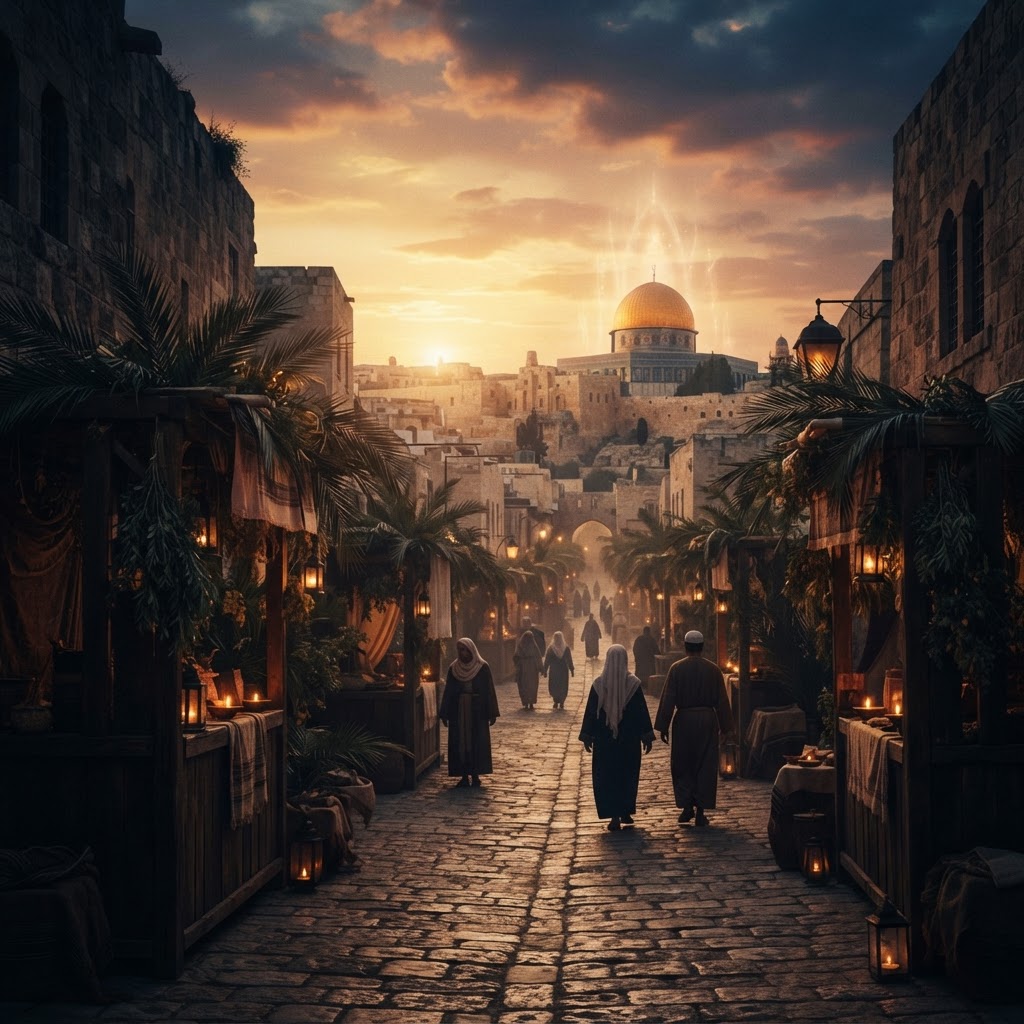
Discover the deep spiritual significance of the Feast of Booths and why Jesus’ declaration at the festival changed everything for those searching for true rest.
In this ongoing series, we are exploring the critical questions surrounding the identity of Jesus and the truth of His message. As we dive into the Gospel of John, chapter 7 brings us to a pivotal moment at the Feast of Booths, where Jesus reveals Himself as the ultimate source of spiritual life.
Understanding the Feast of Booths (Sukkot)
The Feast of Booths, or Sukkot, is one of the most significant celebrations in the Jewish calendar. Observed in the fall, it served two primary purposes: remembering how God sustained Israel in temporary shelters during the wilderness journey after the Exodus, and celebrating the abundance of the harvest season.
By examining the foundational laws in Leviticus, Numbers, and Deuteronomy, we see a picture of a nation pausing to acknowledge their total dependence on God—both for their past survival and their present provision.
Key Scriptural Foundations
- ✦Leviticus 23:33–43: Establishes the seven-day duration, the requirement to dwell in booths, and the mandate for sacred assemblies.
- ✦Numbers 29:12–40: Provides the detailed schedule of offerings for each day of the festival.
- ✦Deuteronomy 16:13–17: Emphasizes the spirit of rejoicing and thanksgiving before the Lord.
The Significance of the Eight Days
The structure of the feast is intentional, bookended by two "Sabbath-like" days of rest. This framing holds deep spiritual meaning when compared to the actions of Jesus in John 7.
The Cycle of Observance
- 1Day 1: A holy convocation marked by rest from ordinary work.
- 2Days 2–7: A period of living in booths, constant worship, and daily offerings, reinforcing the theme of dependence.
- 3Day 8: The "solemn assembly," acting as the final capstone of the celebration.
Jesus as Our Ultimate Rest
It is striking to observe Jesus’ behavior during this feast. On the first day, while the people sought Him out, Jesus was hidden—moving differently, resting from the "ordinary work" of His public ministry. Yet, on the eighth day—the final, climactic "solemn assembly"—He stood up and made a radical declaration.
The booths were a physical sermon: “Our security isn’t in houses, land, or comfort—our security is the Lord.”
Jesus took the focal point of the feast and pointed directly to Himself. He is the living water that quenches the deepest human thirst. He is the true rest that the people were searching for through their traditions. By identifying as the source of living water, Jesus was telling the people that the wilderness journey was over; the security they once found in temporary shelters is now found permanently in Him.
Never Miss a Devotional
Get weekly devotionals, verse-by-verse teaching insights, and spiritual growth resources delivered straight to your inbox. No fluff. Just Scripture and real application.
No spam. Unsubscribe anytime.
More to Read
Day 18: When God Promises Deliverance
As we walk through Exodus 6-8, we see God’s faithfulness in the face of impossible odds and His commitment to setting His people free.
Day 17: When God Calls the Unqualified
Moses tried to talk God out of his calling, but he learned that God's power is made perfect in our weakness. Discover how to overcome your own excuses today.

Day 16: From Promise to Preservation
As we transition from the end of Genesis to the beginning of Exodus, we learn that God’s faithfulness remains steadfast even through seasons of deep oppression.